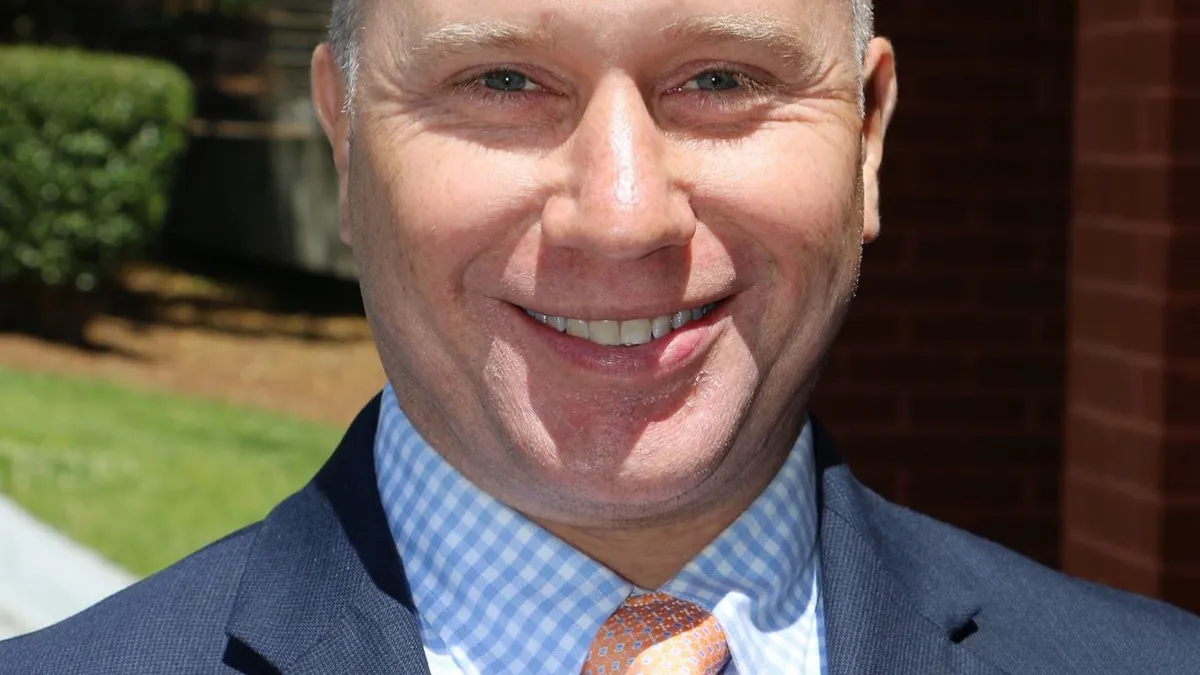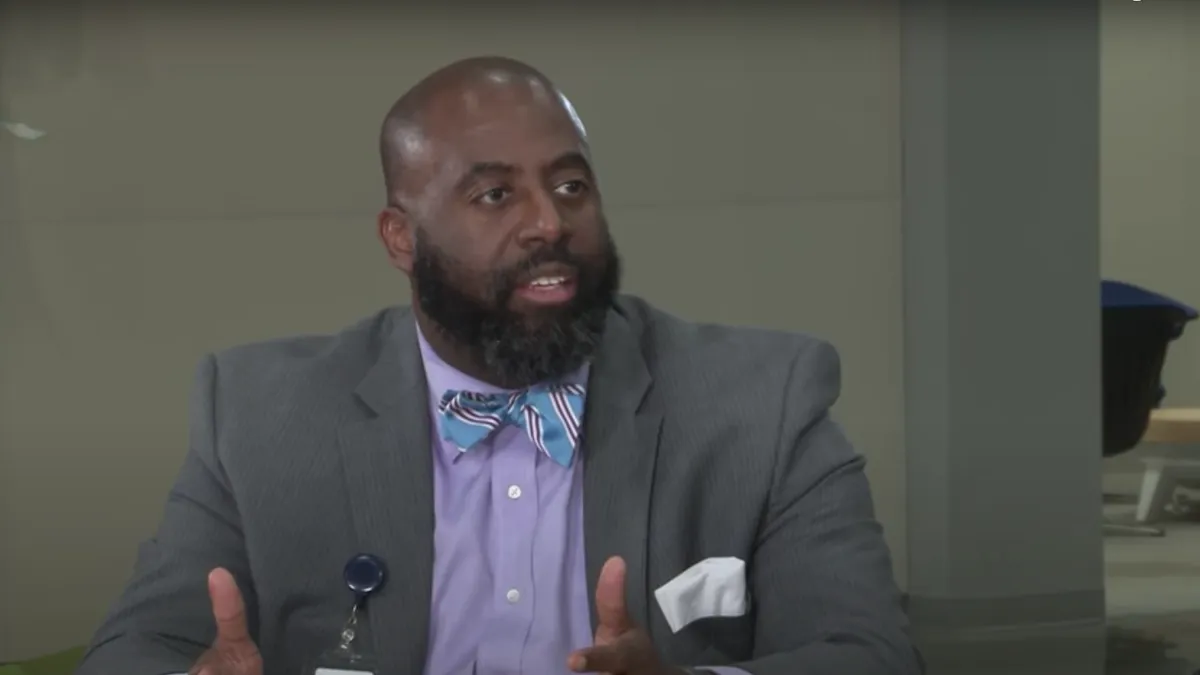
Lessons In Leadership is an ongoing series in which K-12 principals and superintendents share their best practices as well as challenges overcome.
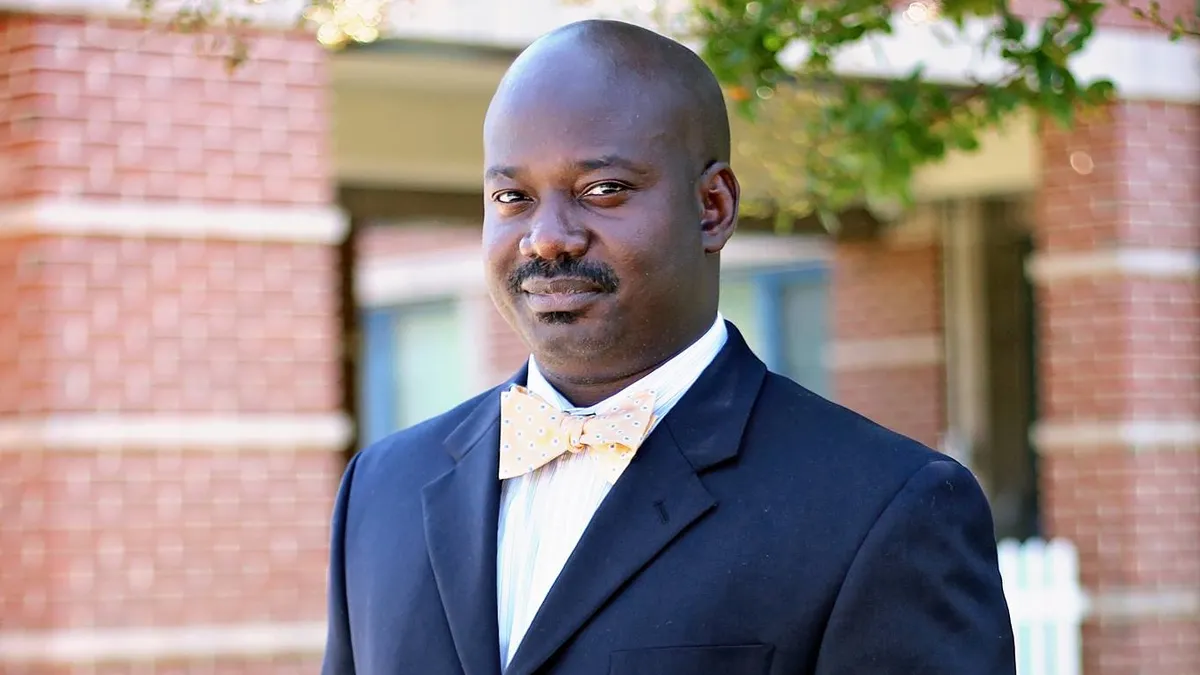
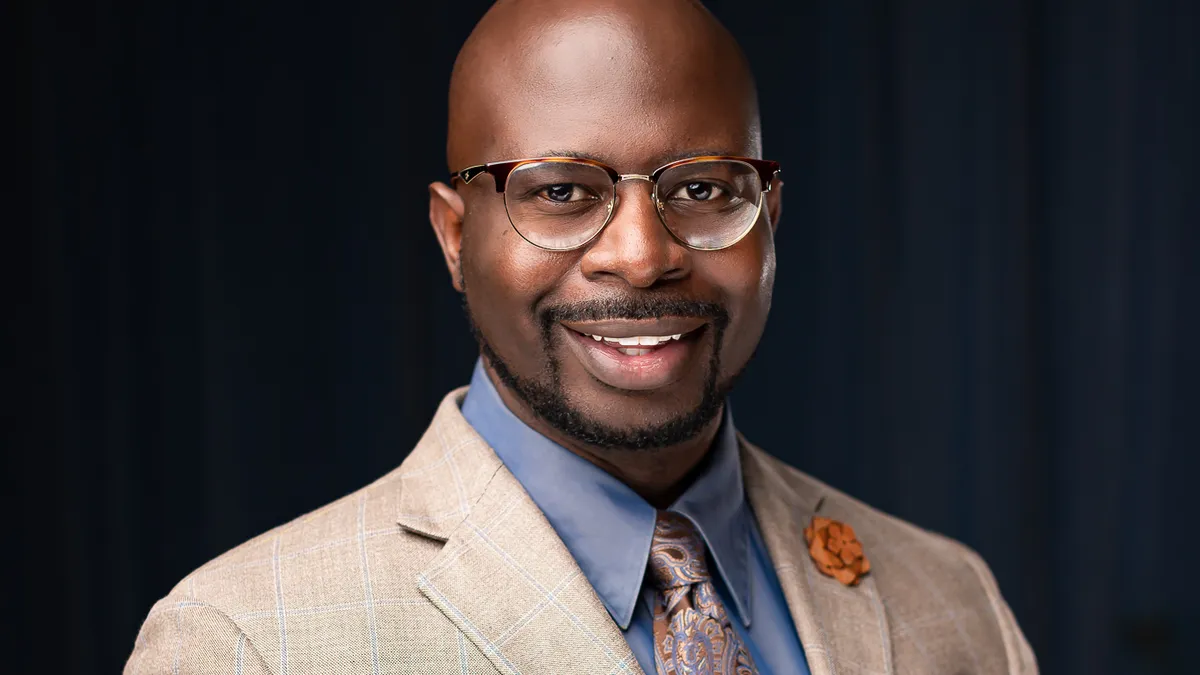
One ad on a train changed Kamar Samuels’ career trajectory forever. It read, “You remember your 1st grade teacher's name. Who will remember yours?”
“I went home and filled out the application right there, and three months later, I was in the classroom,” said Samuels. That was in 2001, after the Jamaican-born educator had gone to college for accounting and was “working a job I didn’t like.”
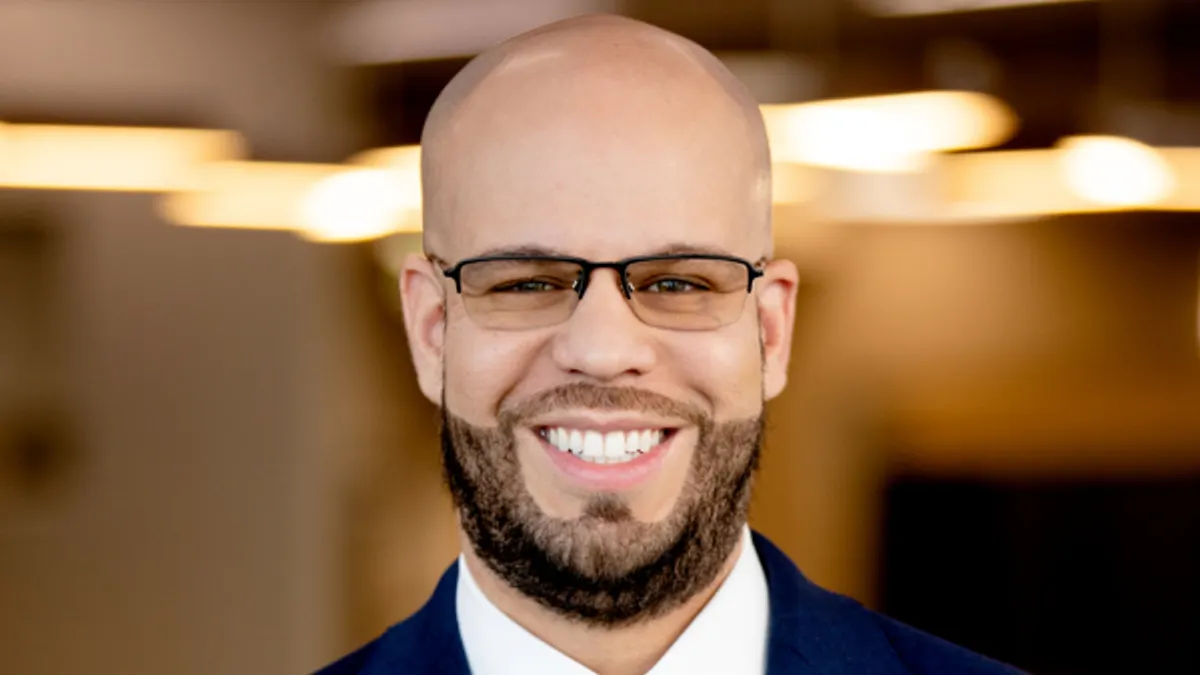
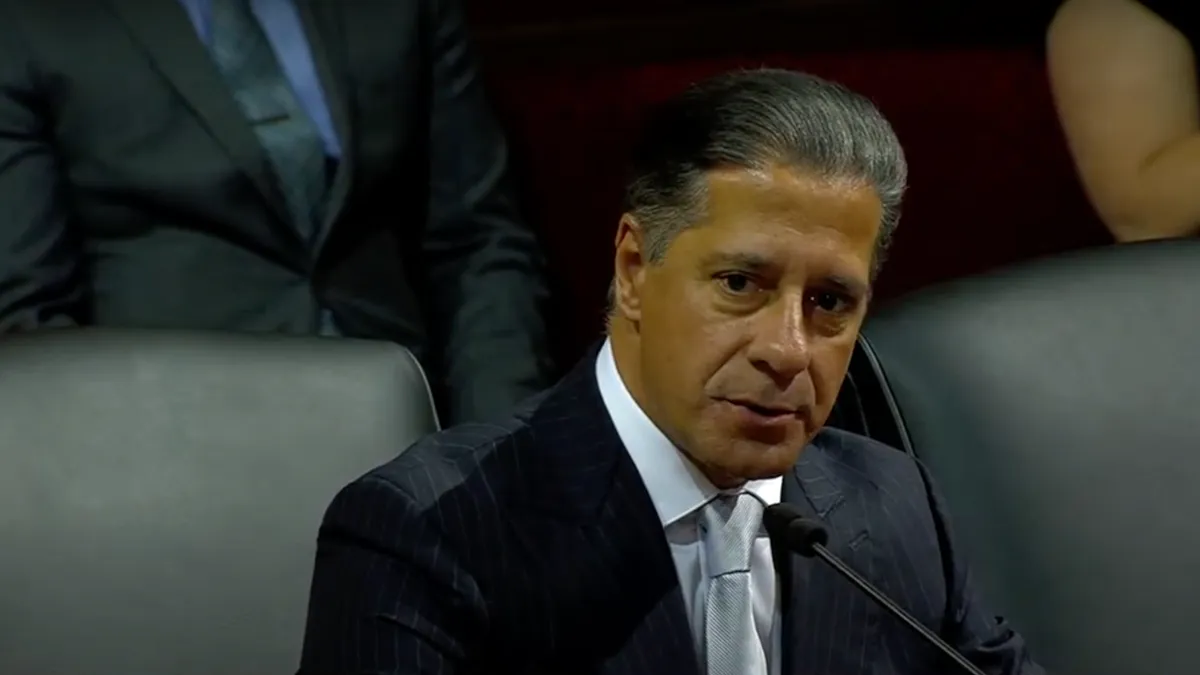
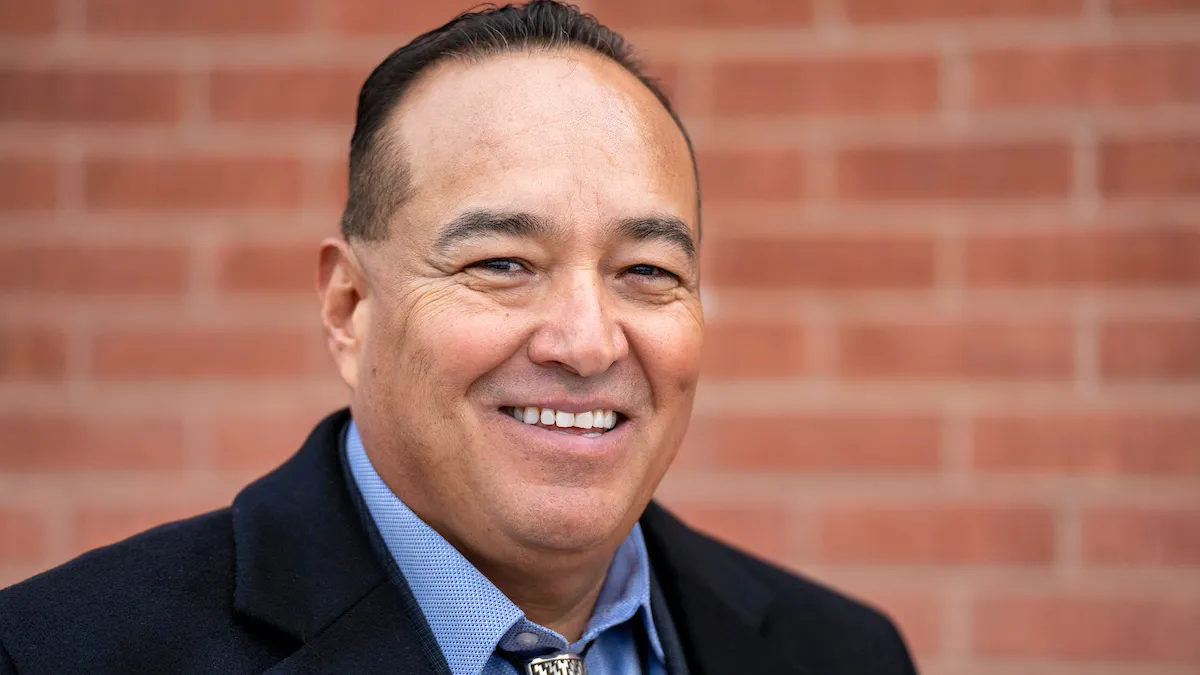
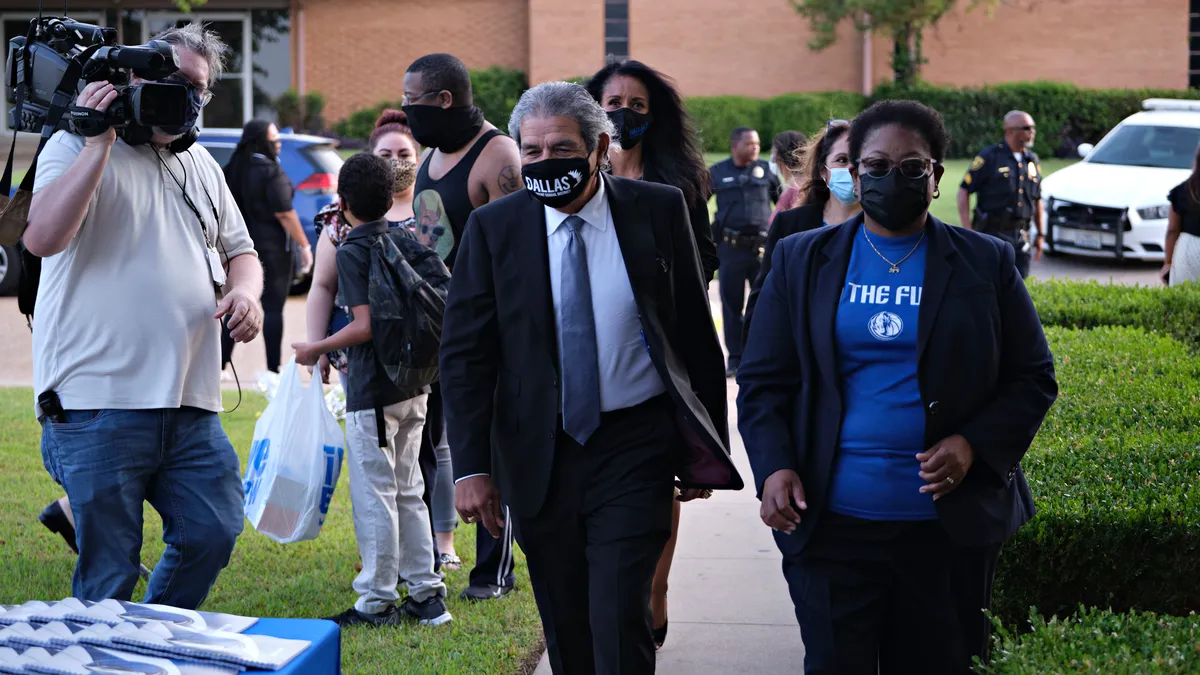
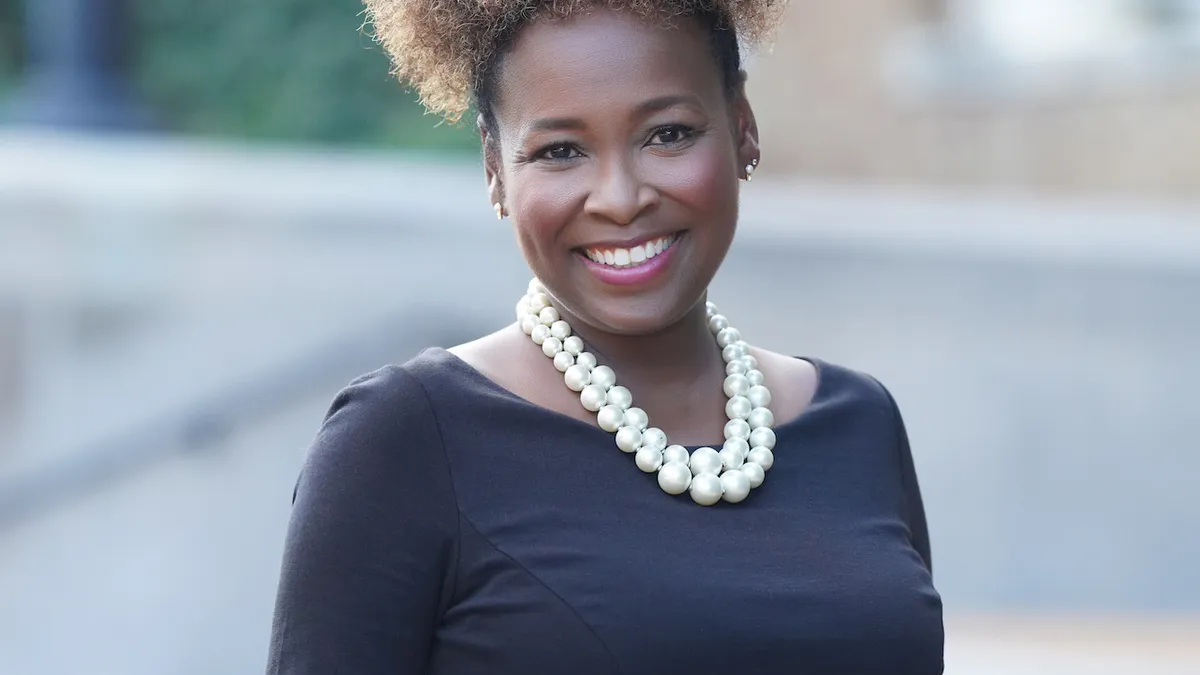
From there, he spent five years as an elementary teacher in New York City before entering a New Leaders training program and becoming a principal in the Bronx. That led to leadership roles in central offices across New York City Public Schools and as superintendent of District 3 in Manhattan and District 13 in Brooklyn before being tapped by Mayor Zohran Mamdani to serve as chancellor of the 906,248-student NYCPS beginning Jan. 1.
We recently caught up with Samuels to learn more about his plans to improve rigor and equity in the nation’s largest school system, how best practices can be shared across the 32 districts within NYCPS, and what he sees as the importance of fostering healthy school-community relationships.
Editor’s note: The following interview has been edited for brevity and clarity.
K-12 DIVE: Part of your plans for New York City Public Schools is to improve rigor and equity. There's been a fair amount of groundwork laid along those fronts in literacy and math especially. What do you see as the biggest opportunities for you to improve rigor and equity in schools in New York? And what do you think are some of the biggest challenges to accomplishing those goals?
KAMAR SAMUELS: When it comes to rigor and equity – NYC Reads and, to some extent, NYC Solves have really moved the agenda.
Giving every student access to grade-level content is certainly a huge part of making sure that we step toward rigor, and we've seen some early indications of success, including test scores, in our literacy work. I'm excited to continue that.
When it comes to thinking about equity, it's really making sure that every young person gets exactly what they need in class.
We have to ensure that we're very clear about the research-based interventions that we're implementing across the city, which we've already started to do. And we have to make sure that our young people are programmed for that intervention so that when they are one, two, three grades below level, we can get them the time and the right opportunity to catch up.
When it comes to our math work, I think we have a tremendous opportunity, but also a challenge, to expand.
We started our math work predominantly at the high school level, and then middle school, because we were focused on making sure that our kids are ready for algebra. But we really do have an opportunity to go further down and do it in elementary schools. That is going to really help us to build on a solid foundation.
And it's not just an elementary school or elementary teacher issue. It's really a societal issue. NYC Solves has to be the engine for revolutionizing our math culture in the city.
So often, you hear people say, “Well, I'm not a math person.” But you don't really hear a lot of people saying, “I'm just not a reading person,” right? That is part of a cultural issue that we have, and I think the opportunity that I have — and the challenge that I have — is to actually change that culture.
I've also read that you're a proponent of replacing gifted programming with IB [International Baccalaureate] programming for all students. How does that factor into your approach to improving equity in New York City schools?
SAMUELS: What you're probably referring to was my work in District 13.
When I got to District 13, there was a group of families and administrators who had wanted to phase out gifted and talented programs. We looked at it and said, “Well, how are we going to ensure high-quality instruction for all of the students?”
We turned to IB as a model, because it wasn't just about accelerating the young people. It really was an investment in all of our teachers and investment in an approach. When you're an IB-certified teacher, it means you have an opportunity to take all of our young people, and look at them in different situations, and create transdisciplinary and interdisciplinary experiences so they are not only engaging in skills, but they're applying skills across content areas.
That's how you're going to really embed the learning and make sure that learning sticks for all of our young people.
I do believe in a lot of the work of IB, but it really takes a big investment. It takes principals being onboard. It takes teachers being onboard and willing to go and get a lot of background and content knowledge, and to be able to personalize for young people and the kids in your school.
The main reason that approach stuck out to me is that I've read a lot over the years about challenges when it comes to gifted programming as far as equitably screening children to participate. So I thought that approach of looking to IB programming as a solution was really interesting.
SAMUELS: I mean, we've always had some concerns about the outcomes of gifted and talented programs in terms of how they might lead toward segregation in our school system, but at the end of the day, I think many families want accelerated options for young people. And I think they should be able to have accelerated options.
IB is one option for doing that, but there are others as well. We just want to make sure that we provide options for acceleration for all students.
Sometimes a student might have an aptitude in math but maybe not in reading, and we should be able to say, “Here's the acceleration opportunity that you have for math.” And it's not necessarily we're saying, “You are gifted and talented, and you should be in this program, and therefore you'll be conceivably accelerated in everything.”
We want to be very thoughtful in our approach to acceleration.
One of the issues a lot of school districts across the nation have been having to navigate is school closures or mergers. From what I understand, you've also navigated school mergers in the past, so what have you learned from those experiences in terms of how to handle that with the school community, how to communicate what's going on, and why something like that would need to happen?
SAMUELS: One of the most important things is that you cannot — as a superintendent or as a school system — do it alone and in isolation. You need partnerships with, first and foremost, your families and your parent bodies, and you need partnerships with your elected officials. You need partnerships with your CBOs [community based organizations].
The conversation has to be done early with communities, and it's best if you can create opportunities together where you can bring a problem — whether it's low enrollment or because of the performance of the school or because of class sizes. You want to have a conversation with communities and take them on a journey as to not just what the issue is, but why does this solve this issue and how — and what do we get on the back end?
Is it that we just get a school closure? I don't think so.
In our situation, it ought to be that you get a robust school. You get a school with more services for our young people — that our young people get a better experience in our schools as a result of this potentially painful thing.
And it's important to keep people in the process. It's important to study and really make sure that you are engaged in appropriate ways for handling difficult conversations, so when you get to the actual proposal, folks might not agree and may even be against it, but they have your rationale and understand the tools that you put together to create this new thing that you're trying to have folks buy into.
On the communication front in general, what do you think is the most important thing that school leaders should keep in mind when it comes to keeping their communities informed — whether that's with an issue like a school closure or just on the basics of what school looks like today? Because in a lot of cases, sometimes a community member might see that school looks different than what they remember it being like when they were in school like 20 years ago. How do you work within the community to help people understand things down to that level?
SAMUELS: We want our families and our communities to be involved in our school as much as possible. I believe schools should be open places that help families to understand the classroom of today.
I think No. 1 is being transparent about the “why.” Why are we pursuing the things that we are? What do we hope to gain from these things? Our administrators need to be able to walk our families through a journey in the school of all of the decisions that are thoughtfully made and how that is going to impact your child.
When I even think about our high school system, talking to our families, we say we'd like your high school student to be exposed to college-level courses, absolutely. That wasn't necessarily something that I was exposed to — doing college courses, let's say, in 11th grade.
But we also have career and technical education courses, CTE programs. But some families view that in line with the old way of doing things — like if you're not doing that well in school, then you get that opportunity.
That has changed significantly. Now we have a different kind of approach, because our CTE settings are super rigorous, getting you ready for green jobs or getting you ready to be a licensed nurse practitioner. And then also you could have situations where you're getting to an associate's degree.
These ideas of how we are making sure that school is setting our families up for social mobility in New York City are really critical, and we have to be able to articulate that to parents and families, or they won't necessarily buy into the programs.
In a school system the size of New York City Public Schools, how do you create an environment where superintendents and other leaders within that system have an avenue where they can share best practices with each other?
SAMUELS: We certainly have our monthly superintendents’ meetings and a number of retreats for the year.
Especially now that we have a common curriculum across the city, our superintendents are able to really take a look at what is working and what's not, and then they're able to recraft experiences for them.
In fact, I'm just coming from one today where a group of superintendents are meeting to discuss some of the best practices on the things that we believe in curriculum. What does that look like? What are the moves that are most successful in class? When we think about community schools, what are the strategies that some schools are using?
Even if we're not going to make every school a community school, we should learn from the strategies that are strong.
We have, like I was saying, two supervising superintendents that create those opportunities and are going to create more for our high school and our K-8 superintendents to really share with each other and lead each other. Because a lot of the superintendents have such great ideas, and everybody might be approaching it with a different lens. And if you give them the opportunity to lead and advise each other, I think that actually really goes a long way.
Do you think that there are opportunities for New York as the nation's largest school system to also serve as an example on that front for how other districts nationwide can better communicate with one another to share what's working, what's not working, or what might not scale as well from one district to another?
SAMUELS: Absolutely. I do think that we have some structures in place for how that has gone, like things that we've piloted in some [NYC] districts.
Right now, we have a pilot, for example, for students with disabilities. Our idea is to make sure that we're getting high-quality programs into neighborhoods close by.
And so we're piloting in four districts, and we hope that what we learn there will be expanded over time to other districts.
We have several opportunities. We are launching right now a program to get universal childcare for all 2-year-olds and 3-year-olds. We're launching in some districts next year, and what we learn there will be used to pilot in other districts.
So I absolutely believe that New York can be an example for how we pilot things and learn from them and then expand them citywide.