This audio is auto-generated. Please let us know if you have feedback.
Most-clicked story of the week:
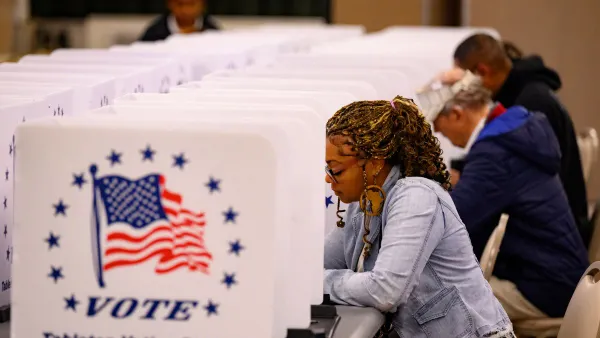
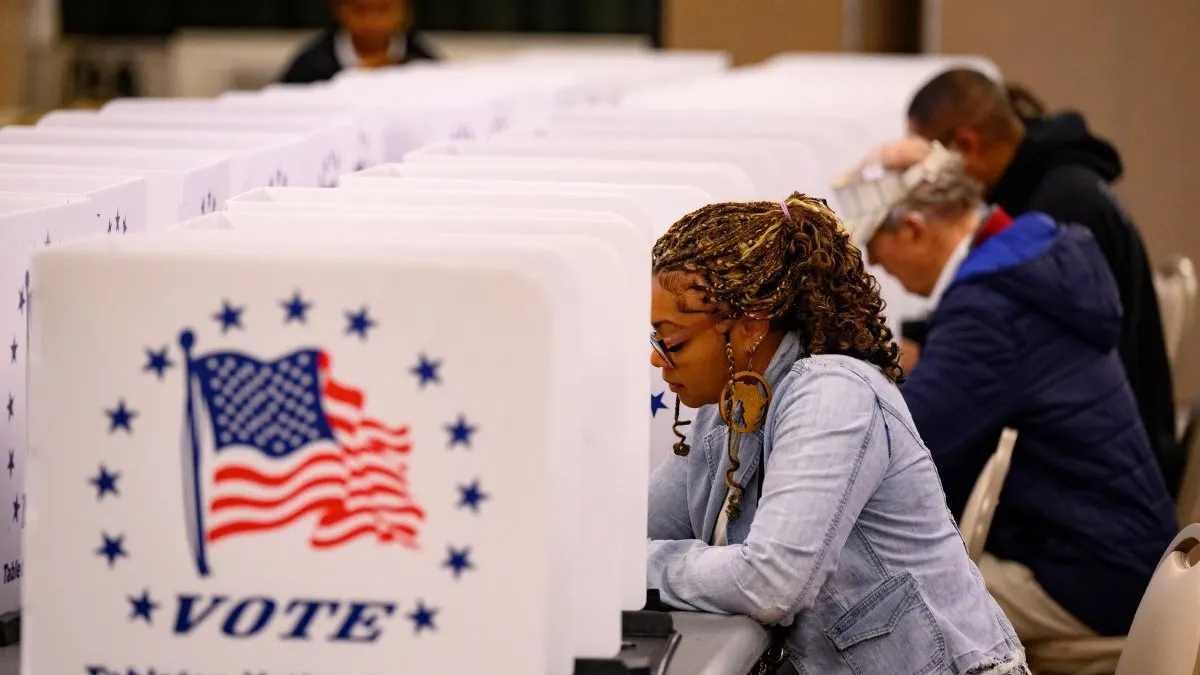
Democrats won big in the 2026 midterm election, taking back control of both chambers of Congress and flipping governorships in five states. That redistribution of power could bring changes for schools across issues ranging from diversity, equity and inclusion policies to teachers union involvement, according to policy experts. But in some areas, they say, the needle may not move much at all.
Number of the week:
8
The number of schools to be closed or consolidated between the 2027-28 and 2028-29 school years under a recently approved plan in Colorado’s Poudre School District. The district projects its average enrollment from 2025 to 2030 will be 23,566 students, which leaves over 10,500 seats open.
Policy and legal roundup
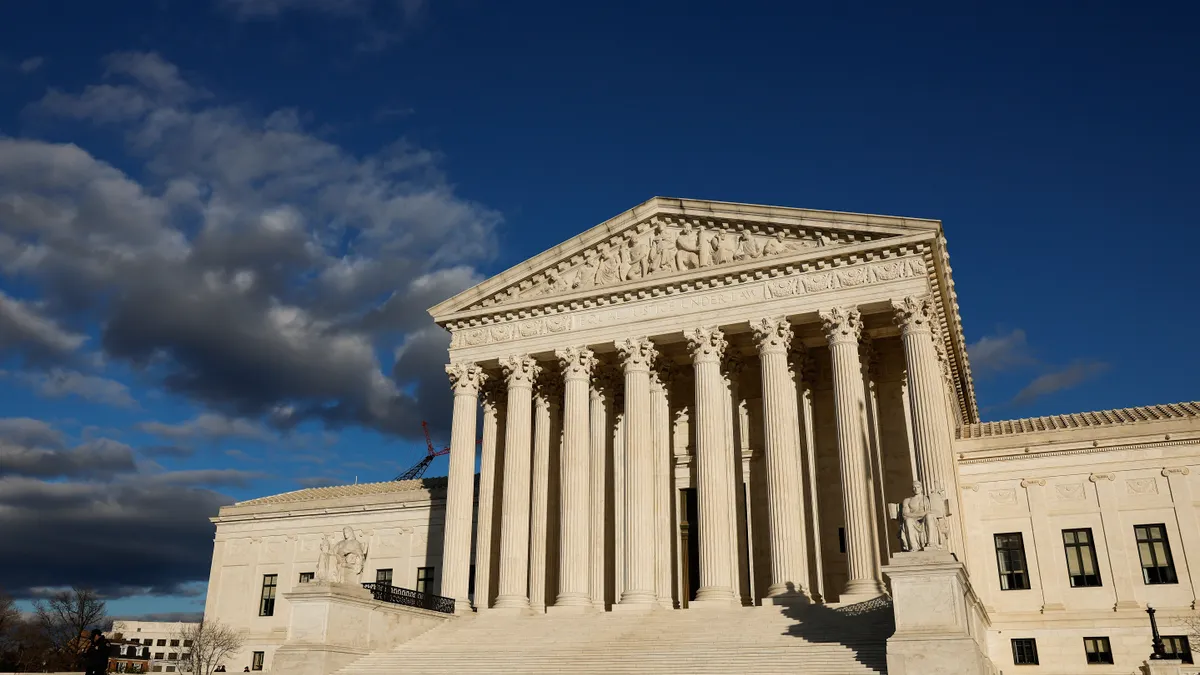
- The U.S. Supreme Court heard oral arguments last week in St. Mary Catholic Parish v. Roy, a case that could determine whether some schools can reject the children of LGBTQ+ parents. The case revolves around Catholic parents and schools in Colorado that want to participate in a state-funded universal preschool program. That program requires participating public or private schools to sign a nondiscrimination agreement. The court’s conservatives justices indicated there may be scenarios where private religious schools receiving public funding should be able to exercise their religious beliefs in a way that excludes LGBTQ+ families and their children.
- Recently released data compiled by the U.S. Department of Education’s Civil Rights Data Collection shows fewer public K-12 students, schools and school districts in the 2023-24 school year compared to the 2021-22 school year. That shrinking of the nation’s public education system was accompanied, however, by an increase in the number of students disciplined using methods like restraint and seclusion. The data also shows higher rates of boys enrolled in STEM and growth in the English learner population.
In the classroom
- Google announced Tuesday that it would turn off Google Search, Gemini, Gemini in Classrooms or Gemini Notebook for all “K-12 student accounts” nationwide by default. School administrators can, however, opt to turn these artificial intelligence features on for students at any time. Though the tech giant says the move is a response to schools “asking for more control over student use of AI services,” some education advocates see it as an “ultimatum” for the company to maintain its position in public education.
- Low-income students account for more than half of the nation’s student population but only 20% of high-achievers in math, according to findings published Oct. 29 by NWEA, an assessment and research company. The analysis, which was based on nearly one million U.S. students between 2021 and 2025, also found low-income kindergartners who begin school as high-achievers in math are more likely to lose that status by 4th grade than their higher-income peers.