Most-clicked story of the week:
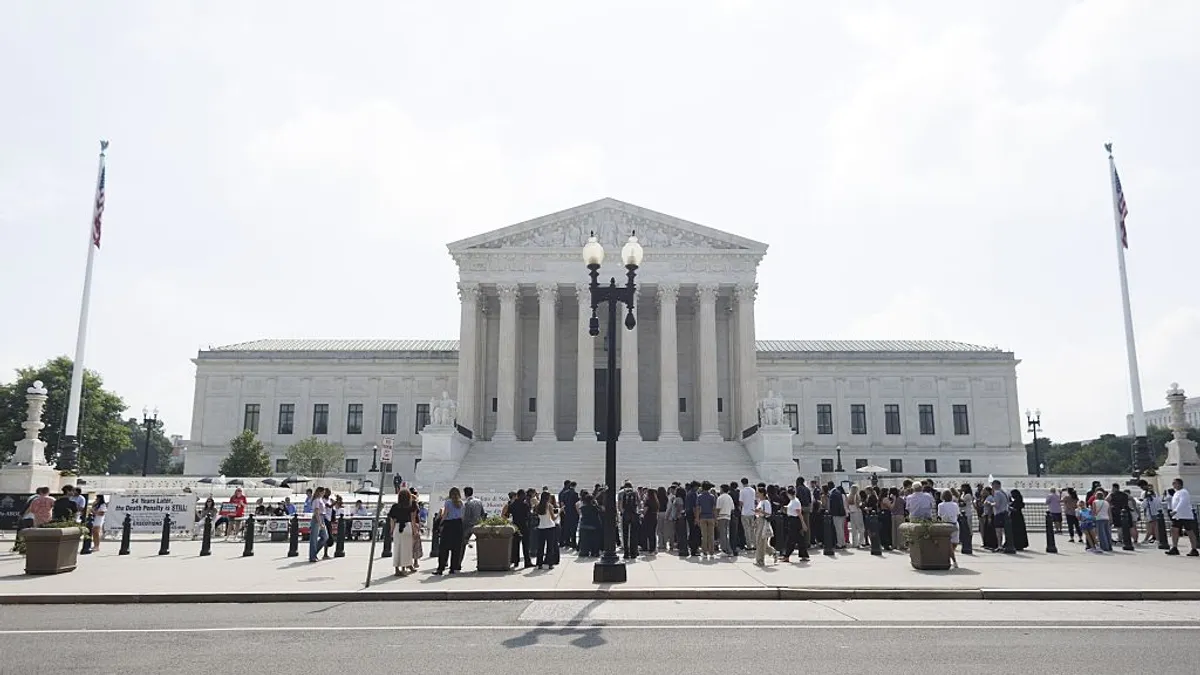
The U.S. Supreme Court on Oct. 19 agreed to take on a case that will decide the legal standards needed to prove allegations that a district’s school admissions policy is racially discriminatory.
The case, Association for Education Fairness v. Montgomery County Board of Education, involves a lawsuit challenging Maryland’s Montgomery County Public Schools, which changed its admissions policies for its highly competitive magnet middle school STEM programs to diversify the student body. A group of Asian American parents who filed the lawsuit said the policy changes “tank[ed]” their children’s enrollment in the district’s magnet programs.
The justices will hear the case during the October 2026 term and will consider whether allegations that a school admissions policy is racially discriminatory under the 14th Amendment must first demonstrate the policies harmed a certain racial group’s enrollment rate in comparison to its applicant pool size.
The total number of federal guidance and resource documents on K-12 civil rights enforcement that the Trump administration said in a recent notice are “not enforceable” anymore. Specifically, the abandoned documents initially issued by the departments of Education and Justice under the Obama and Biden administrations were focused on making education more accessible for English learners, Black and other marginalized students.
Districts navigate tough calls amid budget woes
- As high prices for diesel fuel persist, the additional costs to school transportation budgets are forcing districts to tap into their reserves, change operational logistics and negotiate vendor contracts. For instance, Texas’ North East Independent School District announced in October that it had already used up about $1.1 million out of its $1.6 million budget for fuel for the entire school year. To cut costs, the district said it will reduce bus idling time and wait until the bell rings to start the engines.
- Tulsa Public Schools will be closing or consolidating 17 schools in the 2027-28 school year, after its Board of Education tasked district leadership with proposing measures for saving at least $12 million amid financial challenges and significant enrollment declines. The plan is expected to save the Oklahoma district $11.1 million and follows the district's loss of a fifth of its student population over the last decade, it reported.
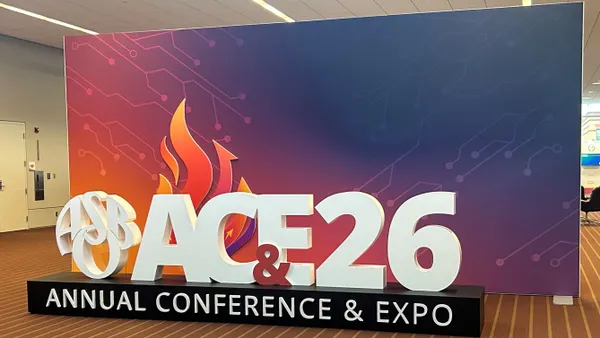
- To learn more about the latest issues facing school finance leaders — and their best practices for navigating budget challenges — we gathered a roundup of K-12 Dive’s coverage from the Association of School Business Officials International’s 2026 Annual Conference & Expo held Oct. 14-16 in Pittsburgh.
Spotlight on curriculum and career-readiness strategies
- Our latest installment of K-12 Dive’s Study Hall series examines the growing popularity of the science of reading approach, which explicitly teaches students the connections between letters and sounds through decoding and phonetic memorization. Still, researchers continue to point to challenges with implementation gaps because teacher training on the literacy approach remains costly and time-consuming.
- Ohio recently became one of the latest states to adopt a math acceleration policy for high-performing students in the subject. Using state test scores and beginning in 4th grade, these students will be identified for advanced math learning opportunities. Schools can then choose whether to place students above grade level or offer differentiated instruction. Even so, some educators are concerned about the policy’s reliance on only one measurement to determine placement.
- Jhone Ebert, superintendent of Nevada’s Clark County School District, shared in this month’s Lessons In Leadership why the 280,000-student district wants every graduate to leave with a “marketable asset” by 2031. What that goal looks like could include that a student graduates Clark County with completed college course credits or a portfolio of their accomplished work to share that may help them get an internship, attain a higher education degree or directly join the workforce, Ebert said.